
Discovery by the researchers of the STONE-MASTERS Project!
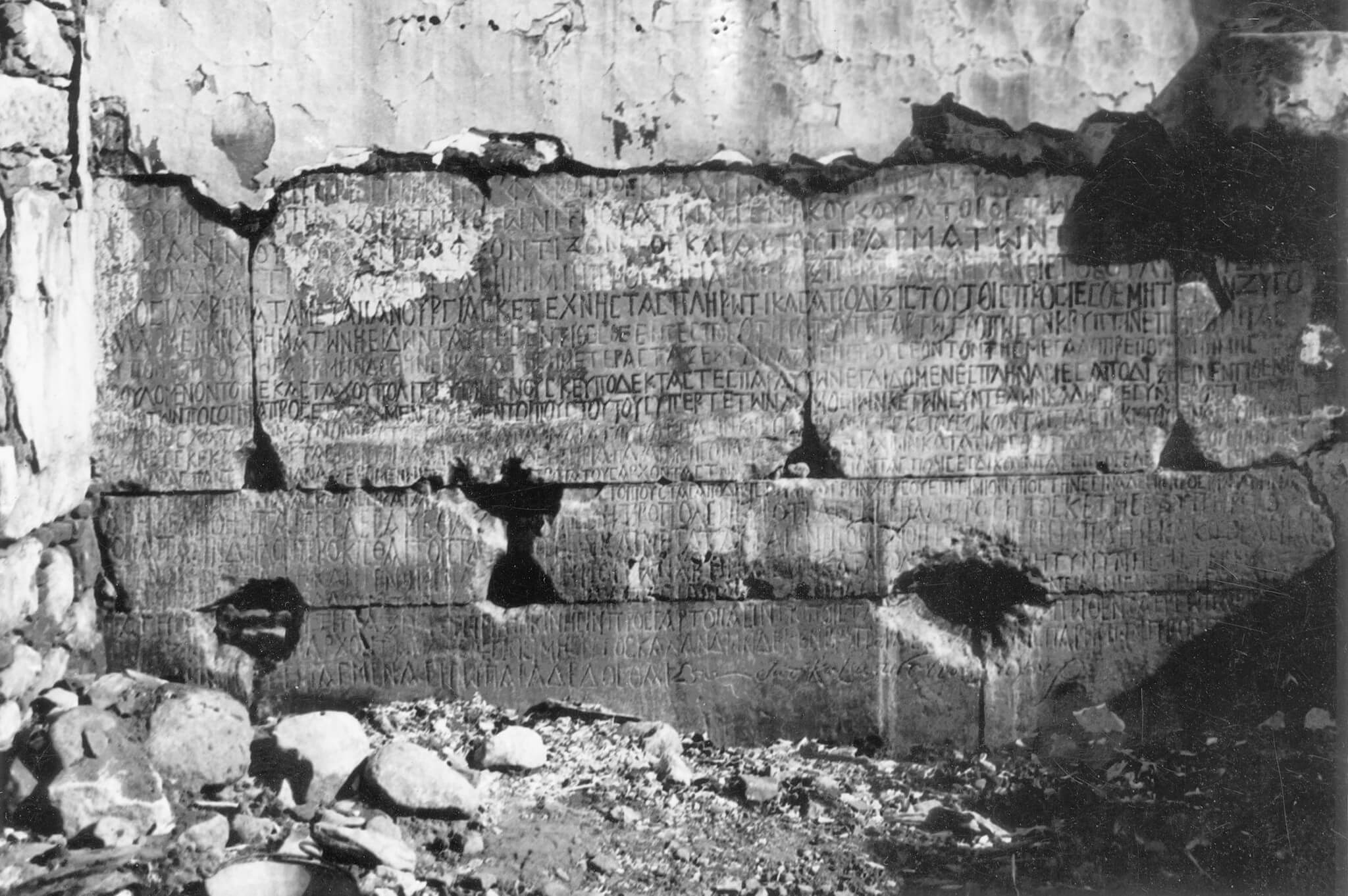
We are delighted to share an exciting discovery made on the ERC Stone-Masters Project , which Paweł Nowakowski presented last week at the Late Antique and Byzantine Seminar at the University of Oxford, convened by Phil Booth, Stratis Papaioannou, and Ida Toth. While working on newly found inscriptions from western Anatolia, Pawel and Prof. Mustafa Adak identified inconspicuous fragments as the missing parts of a legal decision by the Praetorian Prefect of the East, Flavius Illus Pusaeus Dionysius, dated 480 CE. This important text deals with financial abuses by tax collectors in the estates of Placidia, the daughter of Emperor Valentinian III and mother of the great Late Roman aristocrat, Anicia Juliana. It provides valuable insight into the management of the imperial family’s estates during the turbulent reign of Emperor Zeno.
The document has been known since 1745, when Richard Pococke visited Mylasa and documented it for the first time. We know it thanks to three inscriptions – one from Mylasa, one from Stratonikeia and one from Keramos. The text later attracted the attention of renowned epigraphists such as Louis Robert, Denis Feissel and, most recently, Anna Sitz.
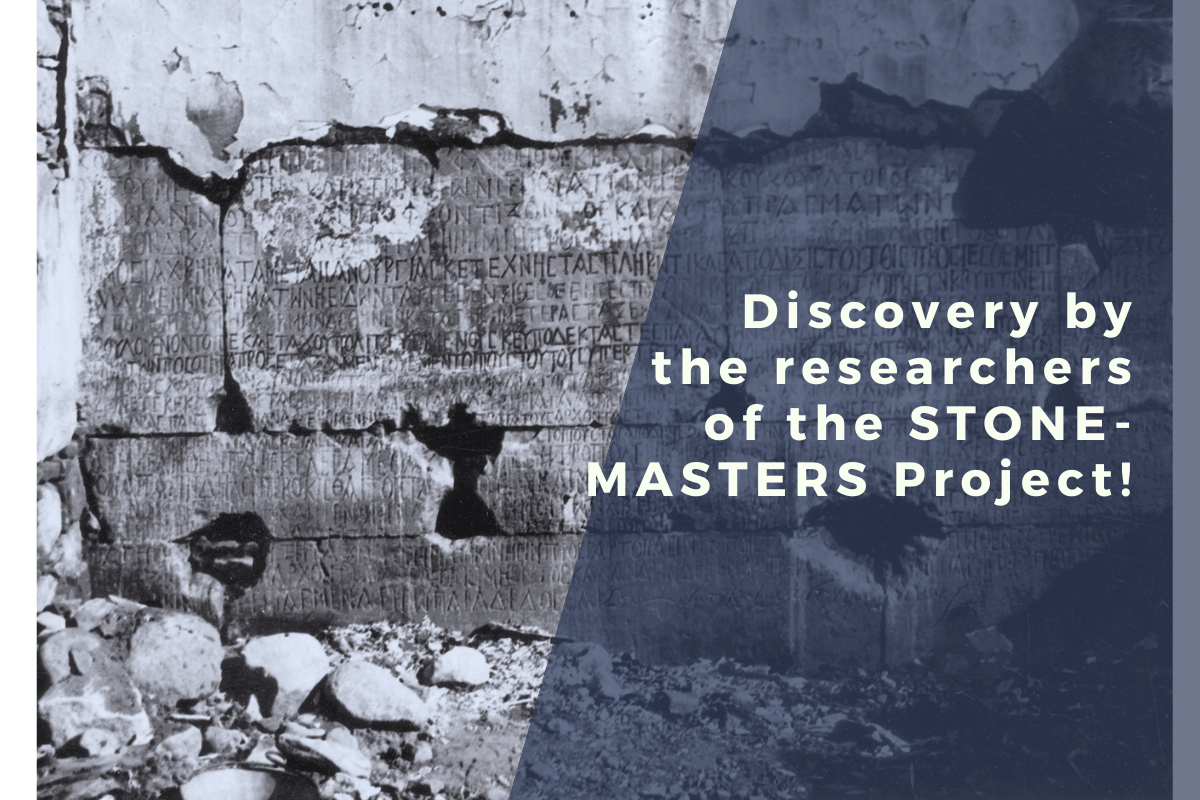
The images attached to this post show the photographs of the old fragments made by Louis Robert in the 1930s and published by Denis Feissel.
The text is also of great interest to the STONE-MASTERS Project because of its unusual layout and faithful engraving of the Latin cursive script in the subscription, as well as the differences between the three copies, which shed light on the production process of such important official inscriptions. We will therefore be planning more events focused on this find.
Pawel and Mustafa are currently preparing the full publication of the new fragments, which should be ready in a few months.
During Pawel’s time in Oxford, the STONE-MASTERS Team was also invited to present their current work. On Monday, during the Epigraphy Workshop convened by Marcus Chin, Charles Crowther, and Ariadne Pagoni, Pawel, together with Andrés Rea and Lorena Pérez Yarza, presented their study of serifs from the sanctuary of Hecate at Lagina near Stratonikeia, which they argued were a manifestation of interactions between Roman and Greek carving cultures.